If we had a spoonful of dirt and asked:
Where do you come from?
What are you made of?
What are you used for?
We would see a whirling terrarium of great and little things—
earth’s imperfect contours
ancient oceans fossilized under grand prairies
mineral messages striated on canyon walls
ancient rivers fanned onto flood plains and sifted into silts and shales.
In a spoonful of dirt are microscopic remnants of pollen and seeds,
a million mosses exploding their spores into the unknown
rhizomes springing forests, bacteria mounting armies,
leaves making humus in a riot of rot and decay.
Dirt is our planet’s skin,
a skein of elements from which everything emerges and returns.
We wander unaware of what is under our feet
hypnotized by artificial intelligence,
deafened by the chatter of our devices and inventions.
In thrall to the toys of human ingenuity
we forget that our earth is alive from its core,
we forget that it shudders and trembles
when a melting glacier that has held fast for centuries
cracks off a continent and slams into the sea.
When fracking sucks dry an underground lake of oil
earthquakes shake the land around,
when bulldozers tear through wetlands
and ploughs break deep prairie sods
the earth gasps from the pain of steel blades tearing its flesh.
Graded and degraded dirt becomes an outcast.
And when our glittering devices are broken and silenced
they are scraped into landfills
where they lie inert beside the busy lives of dirt
with its native intelligence,
its collective memory of everything alive and dead.
Crooked seams and boundary surfaces—
these are the places where life thrums,
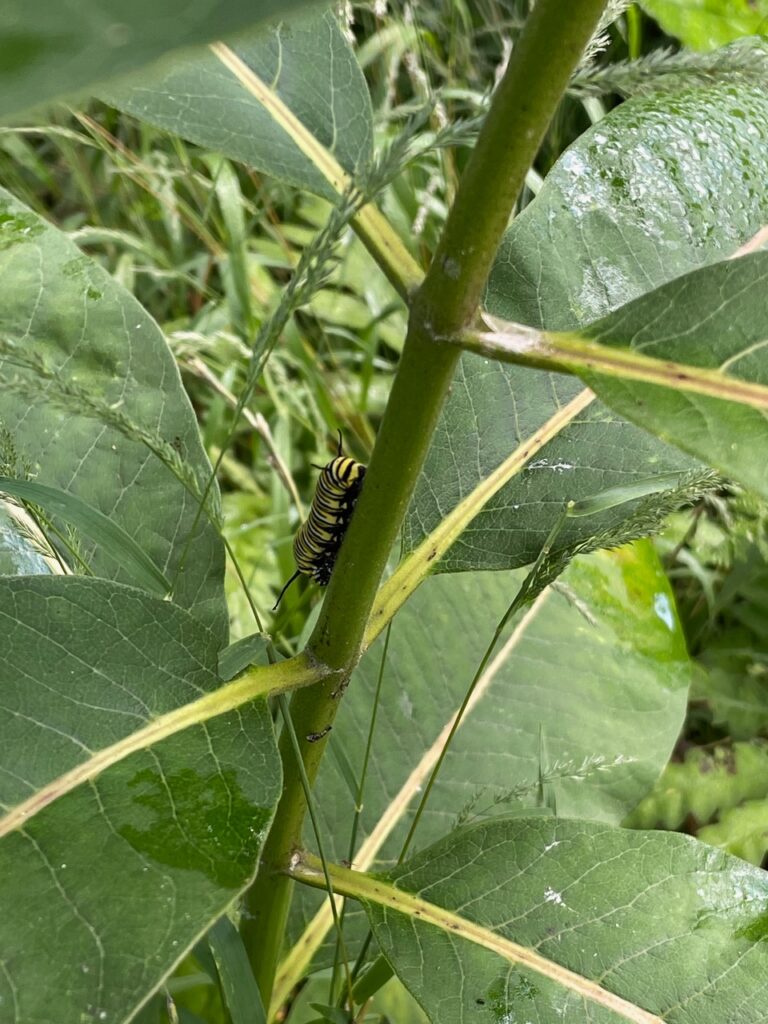
sneaks out and creates butterflies from cocoons
and honey from the alchemy of bees.
So leave the fossil fuels with the fossil ferns
in the swamps, the peat bogs and the marshes;
leave the tools of death by a thousand cuts
to rest their rusted skeletons in the grass,
plant trees and orchards along abandoned train tracks
plant gardens in vacant lots and sidewalk cracks,
re-wild the dirt from poisoned fields with clover—
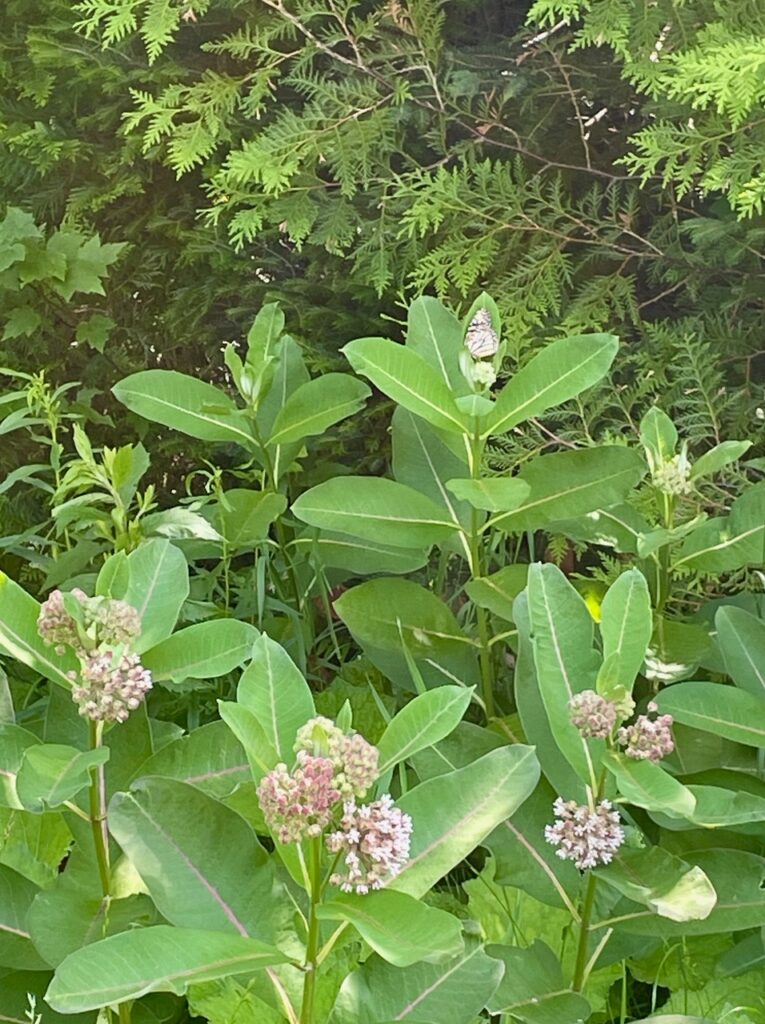
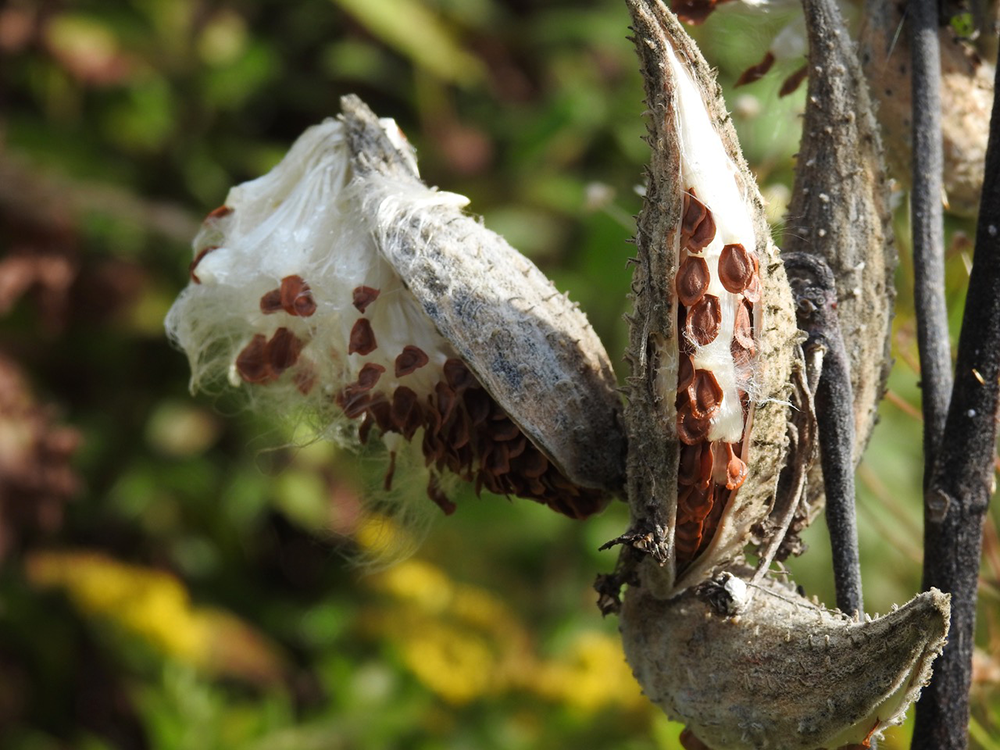
let milkweed seedpods burst into a silky wind
to unspool their threads of microbial memory into wasted meadows,
smell the dirt after a little rain, its scent of dew and honey
imagine the earth as a living being
the spoonful of dirt our home.
TOYON 72, Spring, 2026
An earlier version of “A Spoonful of Dirt” was given the Environmental Studies Program Award in Environmental Justice Writing & Art, Premio del Programa de los Estudios Ambientales de la escritura y arte de la justicia ambiental.
Toyon Multilingual Literary Magazine
Cal Poly Humboldt